

Views: 0 Author: Site Editor Publish Time: 2026-05-29 Origin: Site


Commercial facilities and cold storage units demand massive capital expenditure. Building owners invest heavily in advanced architecture to ensure peak operational efficiency. However, many overlook the structural armor protecting these assets. Proper industrial sandwich panel maintenance is not just about keeping a building looking pristine. It serves as critical risk management to preserve thermal integrity, stop core degradation, and extend structural lifespan. Ignoring post-installation care or joint vulnerabilities leaves your facility exposed to rapid deterioration.
Even premium panels will fail prematurely if you ignore environmental threats and routine upkeep. In this guide, we reveal exactly how to protect your investment. You will learn strict cleaning parameters, material-specific vulnerabilities, and standardized inspection timelines. Implementing these practices correctly will maximize facility durability and safeguard daily operations.
Standardized Timelines: Inspections must follow strict 6-month (sealants/drainage) and 12-month (fasteners/coatings) intervals to prevent moisture ingress.
Strict Cleaning Parameters: Aggressive cleaning accelerates degradation. Solvents must remain under 5% concentration, and pressure washing requires exact distance and temperature limits.
Material-Specific Risks: EPS, PUR, and PIR cores have different vulnerabilities regarding moisture vapor and UV exposure that dictate specific protective measures.
Minor structural flaws often go completely unnoticed by facility managers. Degraded sealants allow microscopic amounts of moisture to penetrate the exterior shield. This moisture eventually leads to severe thermal bridging. In refrigerated facilities, thermal bridging causes massive energy inefficiencies. Cooling systems must work continuously to compensate for the lost insulation value. You might also face severe inventory loss if temperatures fluctuate outside permissible ranges. Effective industrial panel care prevents this destructive cycle before it begins.
A downward spiral of neglect always carries a heavy lifecycle cost. A small, unpatched scratch seems harmless at first glance. However, exposed steel quickly begins to oxidize when it contacts airborne moisture. This metal oxidation spreads beneath the protective topcoat. Panel delamination follows closely behind as the adhesive bonds fail. Eventually, you face complete structural failure. This scenario requires full panel replacement rather than simple surface repair. You must address surface damage immediately to break this spiral.
Deferred maintenance also threatens your operational compliance and safety. Water ingress severely compromises internal insulation cores. A wet core loses its certified fire ratings immediately. It fails to perform as specified during emergency testing. This directly jeopardizes your insurance coverage. Furthermore, compromised panels ruin hygiene compliance. Food-grade and pharmaceutical production sites must maintain strict sterile standards at all times. A damp insulation core invites bacteria, mold, and pathogens. They spread quickly within damp environments and contaminate the entire facility.
Facilities need a predictable, standardized schedule to maintain building envelopes. We divide maintenance routines into distinct, manageable phases. By following a structured calendar, maintenance teams prevent minor issues from becoming structural disasters.
Action is required the moment construction crews finish their work. You must mandate the complete removal of all metal shavings and swarf. Contractors generate these sharp fragments when cutting panels or drilling fasteners. If left on the surface, they cause rapid, localized rust points. Swarf rust permanently stains the panels and degrades the underlying topcoat. Workers should use soft brushes or specialized industrial vacuums. They must clear the entire exterior surface meticulously.
Conduct thorough inspections on all joints and sealants twice a year. You must look for any cracking, shrinking, or discoloration. Environmental expansion and contraction stress these seals heavily. Promptly reapply OEM-approved sealants to any compromised areas. You must also clear gutters and downpipes on every building roof panel. Standing water creates immense hydrostatic pressure. Moisture pooling causes severe damage to joints and protective finishes over time. Clean out all leaves, dirt, and industrial debris to ensure flawless water flow.
Perform annual inspections focusing on mechanical connections. Check fastener tightness systematically across the entire building. Thermal cycling causes screws to back out slightly over a full year. You must replace rusted or worn screws immediately. Always use OEM-compatible hardware to prevent galvanic corrosion between mismatched metals. Additionally, inspect lightning conductors and grounding systems thoroughly. Corrosion on a grounding strap can structurally compromise the entire building. A lightning strike requires a flawless path to the earth. If it arcs through the building panels instead, the resulting heat destroys the core insulation completely.
Long-term exterior checks focus primarily on paint and coating health. You must base your inspection frequency on the specific coating type applied. Standard polyester coatings require rigorous visual checks every two years. They are more susceptible to UV degradation and chalking. Specialized finishes, such as PVDF or HDX coatings, offer significantly higher durability. You can typically wait until year five to perform the first major coating inspection on these premium finishes. Document any fading, blistering, or peeling carefully.
Inspection Phase | Key Focus Areas | Primary Goal |
|---|---|---|
Immediate | Metal shavings, drill swarf, surface debris | Prevent localized flash rust and topcoat scratching. |
Bi-Annual | Sealants, joints, gutters, downpipes | Prevent moisture pooling and micro-crack water ingress. |
Annual | Fasteners, screws, lightning grounding paths | Ensure structural stability and eliminate electrical hazards. |
Long-Term | Surface coatings, paint chalking, blistering | Monitor UV degradation and schedule preventative repainting. |
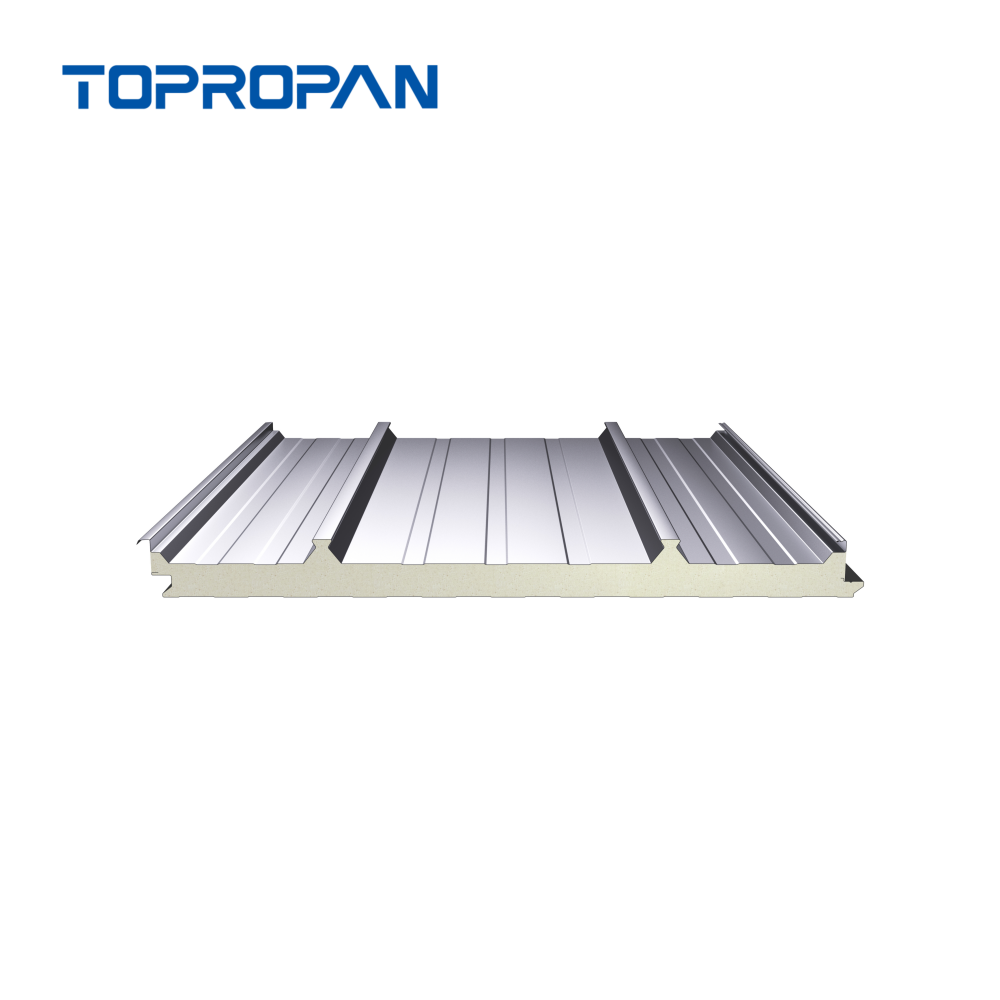
Maintenance teams often accidentally damage panel surfaces during routine cleaning operations. Uninformed crews treat industrial facades like concrete sidewalks. We must establish strict rules to prevent these costly errors. Here are the three most common mistakes you must avoid when planning your cleaning schedule.
Cleaning solutions must remain strictly neutral and non-abrasive at all times. Chemical solvent concentration must remain under 5 percent of the total mixture. You must explicitly warn your crews against using chlorine, ammonia, and caustic soda. These aggressive agents cause rapid saponification of the paint. They strip the protective finish instantly and expose bare metal. Instead, mix warm water with a mild, industrial-grade neutral detergent. This combination removes dirt effectively without compromising the microscopic protective layers.
High-pressure washing is incredibly popular but highly dangerous for exterior cladding. Pressure washers require strict empirical limits to prevent joint rupture. Keep the spray nozzle a minimum of 30 cm away from the panel surface. Water temperature must never exceed 70°C under any circumstances. High heat and intense pressure will literally peel the topcoat away. Furthermore, excessive pressure drives water deep into the overlapping joints. It forces moisture past the weather seals and directly into the insulation core.
Advise your facility managers against using stiff-bristled brushes entirely. Zinc, titanium, and coated steel finishes are extremely sensitive to mechanical abrasion. Maintenance crews must use soft sponges or microfiber cloths. Always wipe strictly with the grain of the metal to avoid cross-hatching scratches. Additionally, workers need appropriate footwear for roof access. They must wear soft, rubber-soled shoes. Hard soles or work boots will easily dent a building roof panel. Denting creates small basins where rainwater pools permanently.
Different insulation cores demand distinctly unique protective measures. We cannot treat all materials identically. Recognizing the specific vulnerabilities of your core material allows you to deploy targeted maintenance strategies. This approach maximizes the lifespan of the entire wall system.
Expanded Polystyrene shows an extreme vulnerability to continuous moisture exposure. Facilities utilizing EPS must maintain perfectly intact indoor vapor barriers. These interior barriers prevent warm indoor air from reaching the colder outer skin. If the barrier fails, internal condensation occurs rapidly. EPS also requires high-quality, UV-resistant topcoats. Prolonged sunlight exposure causes severe exterior brittleness in these panels. Check the surface paint regularly to ensure UV protection remains absolute.
PUR and PIR panels dominate the commercial cold storage sector. Joint integrity is your absolute main priority here. These closed-cell foams offer incredible thermal resistance, making the physical joints the only weak link. Maintain the tongue-and-groove joint strength perfectly. Use specifically compatible sealants to prevent extreme temperature fluctuations. Cold storage creates immense vapor drive differentials. If a joint fails, moisture gets sucked into the gap and freezes instantly. The expanding ice destroys the panels from the inside out.
These rugged, heavy-duty panels resist many physical threats. However, their porous nature requires special attention. You must avoid harsh liquid chemicals that can soak into the surface. Instead, focus heavily on micro-crack management. Use specialized cement-patching compounds to fix hairline cracks immediately. Early patching stops deeper water infiltration. It also prevents freeze-thaw cycles from expanding minor surface cracks into structural fractures.
Core Material | Primary Vulnerability | Critical Maintenance Action |
|---|---|---|
EPS (Polystyrene) | Moisture absorption and UV brittleness | Inspect vapor barriers strictly; monitor UV topcoat health. |
PUR / PIR | Joint failure under extreme temperature shifts | Seal tongue-and-groove joints; block air infiltration totally. |
Cementitious | Micro-cracking from freeze-thaw cycles | Apply specialized cement patch compounds to hairline cracks. |
Environmental elements and daily operational hazards constantly threaten your facility. Managing these external factors requires proactive site management. By addressing threats before they impact the cladding, you greatly reduce your overall maintenance burden.
Forklifts and heavy machinery cause devastating impacts in busy warehouses. Preventive architecture acts as your best line of defense. The most effective way to maintain a durable wall panel in high-traffic zones involves physical separation. Mandate the immediate installation of steel collision barriers. Place heavy-duty bollards at all high-risk corners and loading docks. Floor-mounted guards keep vehicles safely away from delicate wall surfaces. It is much easier to replace a scratched bollard than a pierced insulation core.
Unmanaged vegetation creates highly destructive micro-climates around industrial buildings. Facility managers must aggressively trim surrounding trees, creeping vines, and large shrubs. Foliage rubbing directly against panels degrades delicate paint coatings quickly. Furthermore, dense bushes block natural airflow along the building base. This trapped, localized humidity accelerates mold growth and foundational rust. Keep a clear, vegetation-free perimeter of at least two meters around the entire facility.
Coastal properties and heavy industrial zones require extreme vigilance. Airborne marine salt spray eats through standard coatings aggressively. Similarly, heavy industrial emissions deposit acidic compounds on building exteriors. These exposed facilities require significantly increased cleaning frequencies. Rely on "natural washing" from heavy rain whenever possible. However, rain shadow areas under eaves never receive this natural washing. Combine rainfall with strict bi-monthly manual rinses to clear corrosive buildup from sheltered zones.
You must treat environmental mitigation as a core operational strategy. Taking control of the surrounding landscape and managing warehouse traffic flow protects the building envelope continuously.
Effective industrial cladding maintenance relies entirely on a predictable, data-driven process. Building owners cannot afford to treat exterior upkeep as an afterthought. Routine checks, careful cleaning, and swift repairs form the foundation of facility longevity.
Minor preventive investments drastically extend your overall operational lifespan. Quality sealants, proper cleaning protocols, and physical crash barriers save tremendous capital down the line. Do not wait for visible structural damage to take action. You must stay ahead of the degradation curve at all times.
Take charge of your facility's health today. Download a standardized maintenance checklist tailored to your specific core material. Consult with your internal engineering team to audit current panel integrity. By remaining proactive, you secure your building’s thermal efficiency and structural safety for decades.
A: Yes, but with strict limitations. Keep the nozzle at least 30 cm away from the surface. Ensure the water temperature remains below 70°C. Avoid directing high pressure straight into the joints to prevent water ingress and core damage.
A: Sealants, trims, and joints require inspection every six months. Micro-cracks in these areas act as the primary cause of thermal leaks. They also lead directly to rapid core moisture damage if left unchecked.
A: Surface-level rust often comes from leftover metal shavings. You should carefully buff it out using non-abrasive tools. Afterward, apply an OEM-approved anti-rust primer and finish the repair with a compatible touch-up topcoat.
A: Surface cleaning protocols remain similar for both materials. However, EPS maintenance prioritizes checking vapor barriers, as waterlogging destroys EPS quickly. Meanwhile, PUR and PIR maintenance heavily focuses on joint airtightness to ensure optimal cold storage efficiency.


